
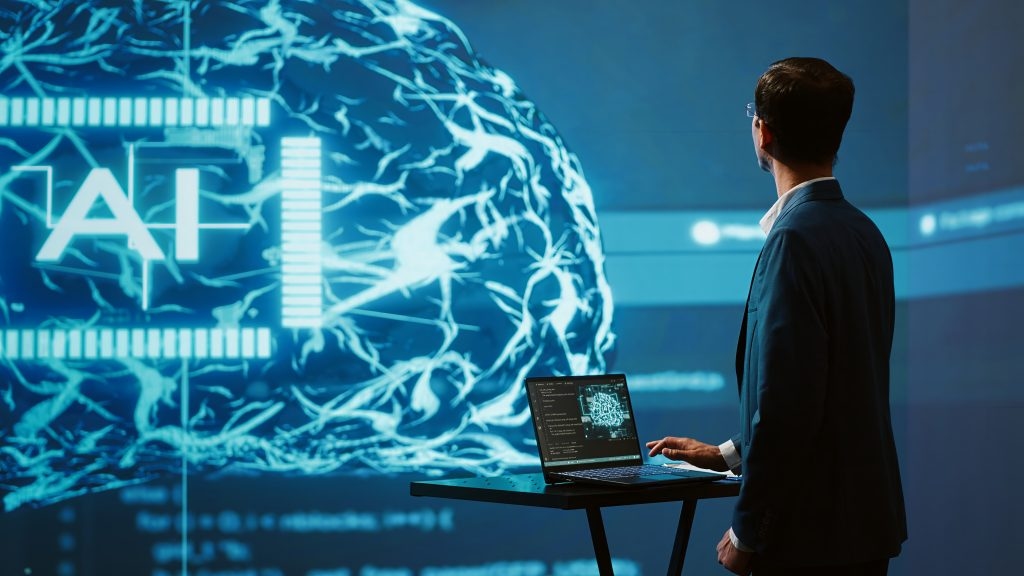
AI in business is changing how companies work. Learn what it means, real examples, and why it matters for the future.
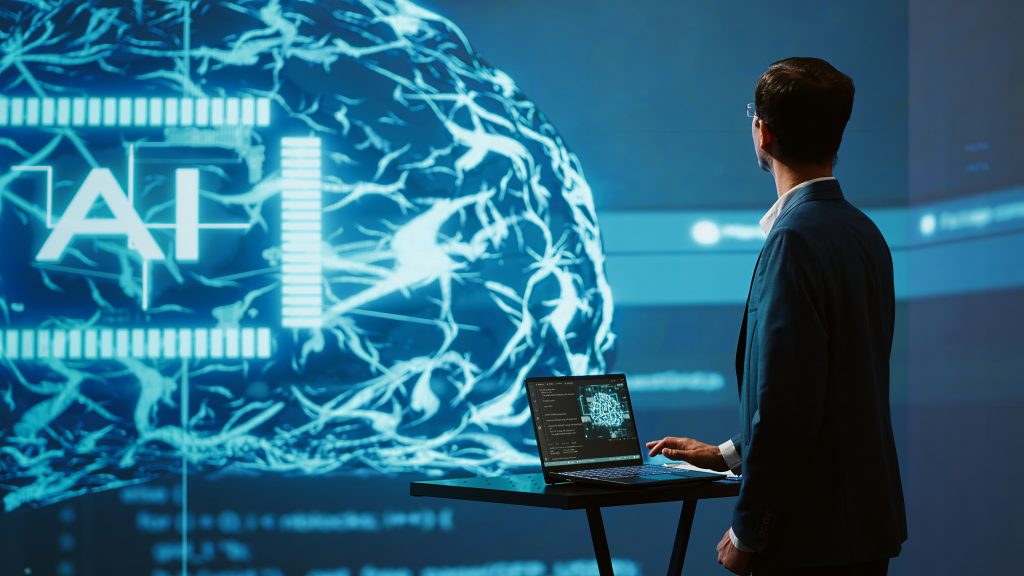
AI in business isn’t some far-off idea anymore. It’s already part of the way we live. When you ask your phone a question or when Netflix tells you what to watch, that’s artificial intelligence in companies like those making your life easier. In business, it goes a step further. Companies are utilizing AI tools for work to streamline tedious tasks, gain a deeper understanding of customers, and make decisions more efficiently suggests what to watch, that’s artificial intelligence at work, making companies like those that provide your services easier to use.
Still, many people hear AI in business and think it sounds complicated. The truth is, it’s already happening in ways that are simple and useful. You don’t need to be a tech expert to see how it’s changing work through business automation and smarter tools.
In this post, we’ll talk about what AI in business actually means, some everyday examples you’ll recognize, and what the future might look like.
What AI in Business Really Means
When people hear the term AI in business, they often picture robots taking over jobs or science fiction movies. In reality, it’s much simpler. Artificial intelligence in companies usually means software that can learn from data and make tasks faster, smarter, or more accurate.
Think of it like this. In the past, a manager had to look through spreadsheets to guess what products might sell best. Now, AI tools for work can scan all that data in seconds and highlight the trends. Instead of replacing the manager, it’s helping them make better choices.
Business automation is another big part of it. Simple AI systems can take care of routine tasks, like answering common customer questions or organizing emails. That leaves people with more time to focus on creative or strategic work.
So when we talk about AI in business, it’s not about some distant future. It’s already here, quietly running in the background and giving companies an edge.
Everyday Examples of AI in Business
The best way to understand AI in business is to look at the ways companies are already using it. Many of these examples might feel familiar because you’ve probably run into them yourself.
One of the most common uses is in customer service. Chatbots are powered by artificial intelligence in companies across almost every industry. They answer simple questions, help track orders, or guide customers to the right place. This kind of business automation makes support faster without replacing the human team completely.
Marketing is another area where AI tools for work shine. Think about the ads you see online that seem perfectly tailored to your interests. Behind the scenes, AI is sorting through massive amounts of data to figure out what people are most likely to click on. For businesses, this means smarter campaigns with less guesswork.
Operations also benefit from AI in business. Retailers use it to predict when items will run out of stock. Banks use it to spot unusual transactions that could be fraud. Even small businesses are using simple AI tools for scheduling, invoices, and inventory management.
These examples show that artificial intelligence in companies isn’t just for tech giants. It’s becoming a normal part of everyday work, helping teams of all sizes save time and make better decisions.
Benefits and Challenges of AI in Business

AI in business can sound exciting, but it’s worth looking at both sides of the story. On the positive side, artificial intelligence in companies brings speed and accuracy. Tasks that once took hours can be done in minutes. Business automation makes processes smoother, cutting down on mistakes and freeing people from repetitive work. For example, an AI tool for work might handle thousands of customer emails, leaving the support team with more time for complex cases.
Another big benefit is decision-making. AI in business can spot patterns that humans might miss. A sales team, for instance, could use AI insights to understand what customers really want, or a finance team could catch risks before they turn into bigger problems. This doesn’t replace human judgment, but it gives people stronger information to work with.
Of course, there are challenges too. Not every company has the budget, skills, or data to use artificial intelligence effectively. There’s also the question of trust—people want to know how decisions are being made. And while business automation is helpful, it can create worries about jobs, even if most AI tools for work are meant to support, not replace, employees.
Balancing these benefits and challenges is the key to using AI wisely.
The Future of AI in Business
Looking ahead, it’s clear that AI in business is only going to grow. What started as simple chatbots and basic business automation is quickly moving into more advanced areas. We’re already seeing artificial intelligence in companies helping with hiring, product design, and even writing first drafts of reports.
One big change will be accessibility. Until now, many AI tools for work felt out of reach for smaller companies. But as costs go down and software becomes easier to use, even small businesses will be able to take advantage of AI. This means more competition, but also more opportunities to work smarter.
Another trend to watch is how humans and AI collaborate. Instead of replacing jobs, the future will likely be about blending the strengths of both. AI handles the heavy data lifting, while people focus on creativity, strategy, and building relationships.
In short, the future of AI in business won’t be about machines taking over. It will be about using technology as a partner to do better work, no matter the size or industry of the company.
Quick Insights About AI in Business
What is AI in business?
It’s software that learns from data to make tasks faster, smarter, and more accurate.
How do companies use it?
Artificial intelligence in companies shows up in chatbots, marketing, operations, and business automation tools.
Is it only for big companies?
Not at all. AI tools for work are becoming easier and cheaper, so even small businesses can benefit.
Will it replace jobs?
Mostly, AI supports humans. It handles repetitive tasks so teams can focus on strategy, creativity, and decisions that need a human touch.
Do you need to be a tech expert to use it?
No. Many AI tools are designed to be simple and user-friendly.
How can businesses get started?
Start small with tools that fit your workflow, track results, and scale gradually.
Conclusion
AI in business is already changing how companies operate, and it’s only going to grow. From customer service to marketing and operations, artificial intelligence in companies helps teams work smarter, not harder. Business automation and AI tools for work take care of repetitive tasks, letting people focus on strategy, creativity, and decision-making. Even if your company hasn’t fully adopted AI yet, understanding it and starting small can give you an edge. The future of AI in business is about collaboration between humans and technology, making work faster, smarter, and more efficient.
Enjoyed this article?
Let’s talk about how a focused outsourcing partner can move your roadmap forward.