
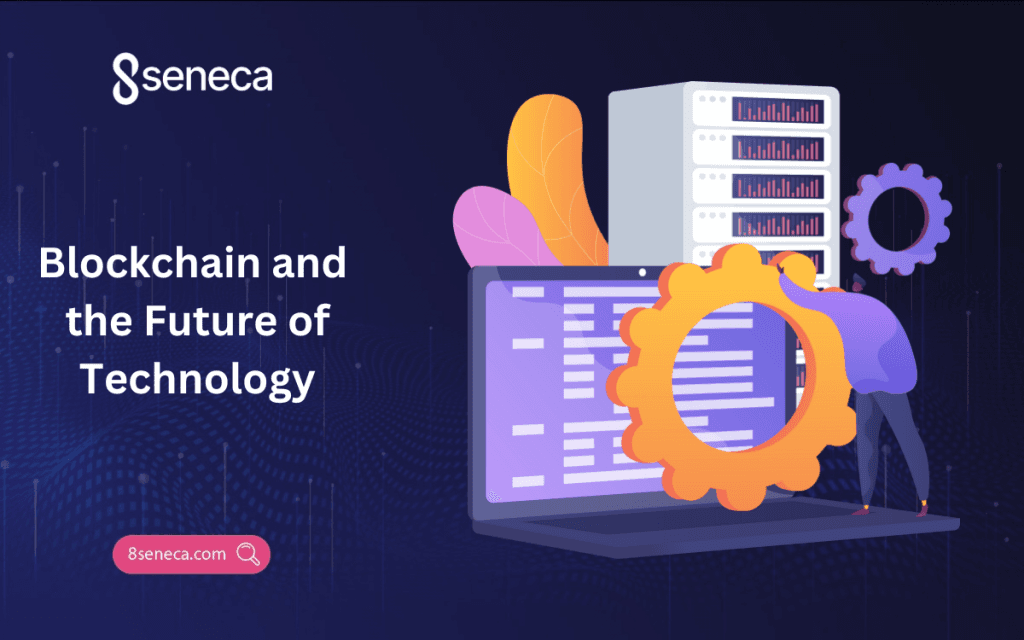
Blockchain and the Future of Technology
Explore how blockchain technology is revolutionizing industries like finance, healthcare, and supply chain management.
Blockchain technology, once an obscure idea, is now a major player in the tech world. At its core, blockchain is a digital ledger that records transactions across a network of computers. Unlike traditional systems, it is decentralized, which means no single entity controls the data. Because of this unique structure, blockchain is seen as a revolutionary technology. But why is it considered so groundbreaking? And how will it impact various industries? Let’s explore these questions.
Why Blockchain is Revolutionary
First, let’s understand why blockchain is revolutionary. Traditional systems often rely on centralized databases. In these systems, a single entity controls the data. This centralization creates vulnerabilities. For example, if the central system is hacked, all the data can be compromised. On the other hand, blockchain operates differently.
Instead of storing data in one place, blockchain distributes it across a network of computers. Therefore, no single entity has complete control. As a result, blockchain is more secure. Moreover, data on a blockchain is immutable. This means once information is recorded, it cannot be changed or deleted. Consequently, blockchain ensures the integrity of the data.
Furthermore, blockchain is transparent. Every transaction is visible to all participants in the network. This transparency builds trust among users. Because of these features, blockchain is not just a new way of handling data. It represents a fundamental shift in how we think about security and transparency. Therefore, many industries are adopting blockchain at a rapid pace.
Increasing Adoption of Blockchain
As the benefits of blockchain become more apparent, its adoption is growing. Initially, blockchain was known for powering cryptocurrencies like Bitcoin. However, it has since found applications in many other industries. For example, the finance industry is using blockchain to make transactions faster and cheaper.
In addition, healthcare providers are exploring blockchain to secure patient data. This is crucial because patient information is often sensitive. By using blockchain, healthcare organizations can protect this data from unauthorized access. Moreover, blockchain can streamline the management of medical records, making the process more efficient.
Similarly, the supply chain industry is adopting blockchain. Traditionally, tracking goods through the supply chain has been a complicated process. However, with blockchain, every step is recorded on a decentralized ledger. As a result, companies can track products more easily and reduce the risk of fraud.
Governments are also beginning to use blockchain technology. For instance, some are exploring its use in voting systems. Blockchain can make voting more secure and transparent. Additionally, it can improve the management of public records. This includes property deeds, birth certificates, and more.
Blockchain’s Potential Impact on Various Industries
The growing adoption of blockchain will have a significant impact on various industries. Let’s take a closer look at some of these sectors.
Finance
First, let’s talk about the finance industry. Blockchain is already disrupting traditional banking systems. It allows for faster and more secure transactions. Because blockchain eliminates intermediaries, transaction fees are reduced. This is particularly beneficial for international payments, where fees can be high. Moreover, blockchain’s decentralized nature makes financial data more secure. Consequently, it reduces the risk of fraud and cyberattacks.
Healthcare
Next, we’ll examine the healthcare industry. Blockchain technology can significantly improve the security of patient data. Currently, healthcare providers store records in centralized databases. This makes them vulnerable to breaches. However, by using blockchain, patient data can be stored in a decentralized manner. As a result, it is less likely to be hacked. Additionally, blockchain can streamline administrative processes. For example, it can automate insurance claims, making the process faster and reducing costs.
Supply Chain Management
Now, let’s consider supply chain management. Blockchain technology is transforming this sector as well. Traditionally, tracking the movement of goods through the supply chain has been challenging. However, with blockchain, every transaction is recorded on a decentralized ledger. This provides complete transparency. Companies can easily track the journey of products. This reduces the risk of fraud and ensures that products are authentic.
Government and Public Services
Finally, let’s discuss government and public services. Many governments are beginning to explore blockchain’s potential. One of the most promising applications is in voting systems. Blockchain can create secure and transparent voting records. This ensures the integrity of elections. Additionally, blockchain can improve the management of public records. This includes documents like property deeds and birth certificates. By using blockchain, governments can make these records more secure and accessible.
The Future of Blockchain Technology
As blockchain technology continues to evolve, its potential applications will expand. However, there are challenges to overcome. For example, scalability is a significant issue. Currently, blockchain networks can handle only a limited number of transactions per second. This limits their ability to support widespread use. Moreover, regulatory uncertainty poses another challenge. Governments and regulatory bodies are still figuring out how to approach blockchain.
Despite these challenges, the future of blockchain looks bright. Its revolutionary features—decentralization, transparency, and security—make it a powerful tool. As more businesses and governments adopt blockchain, we can expect to see more innovative applications emerge. This will likely drive further adoption and development of the technology.
Conclusion
In conclusion, blockchain technology is set to play a key role in the future of technology. Its revolutionary attributes make it a game-changer in industries ranging from finance to healthcare. As more sectors adopt blockchain, we can expect significant changes in how we conduct transactions, manage data, and interact with technology. By embracing blockchain, we can unlock new possibilities and pave the way for a more secure, transparent, and efficient future.
Related Articles

Feb 03, 2026
Read more
How Claude Code Is Changing How Anthropic Builds Software
Claude Code is Anthropic’s AI coding tool, transforming how engineers work and shaping the future of AI-powered software development.

Jan 27, 2026
Read more
Why So Many See an AI Bubble Emerging
Is the AI bubble real or just hype? A clear look at why AI feels overheated, how tech bubbles form, and what history suggests comes next.

Jan 20, 2026
Read more
The Problem With AI Image Safeguards
The technical limits of AI image safeguards are becoming clear as image tools spread, revealing why abuse and misuse are so hard to stop.
Jan 13, 2026
Read more
How to Choose the Right AI Tool in 2026 (Without Wasting Money)
Not sure how to choose the right AI tool in 2026? This guide helps you avoid hype, save money, and pick tools that actually fit how you work.

Jan 06, 2026
Read more
Best AI Tools for 2026: What’s Actually Worth Using
The best AI tools for 2026 aren’t the most hyped ones. This guide cuts through the noise to highlight AI tools that actually earn their place.

Dec 30, 2025
Read more
Best Microlearning Apps for 2026: Learn New Skills in Minutes
Best microlearning apps to grow your skills quickly, fit lessons into your day, and make learning simple and effective.