
What is HMI Software? A Quick Guide
HMI software helps people easily control and monitor machines, boosting safety and efficiency in industries like manufacturing and energy.
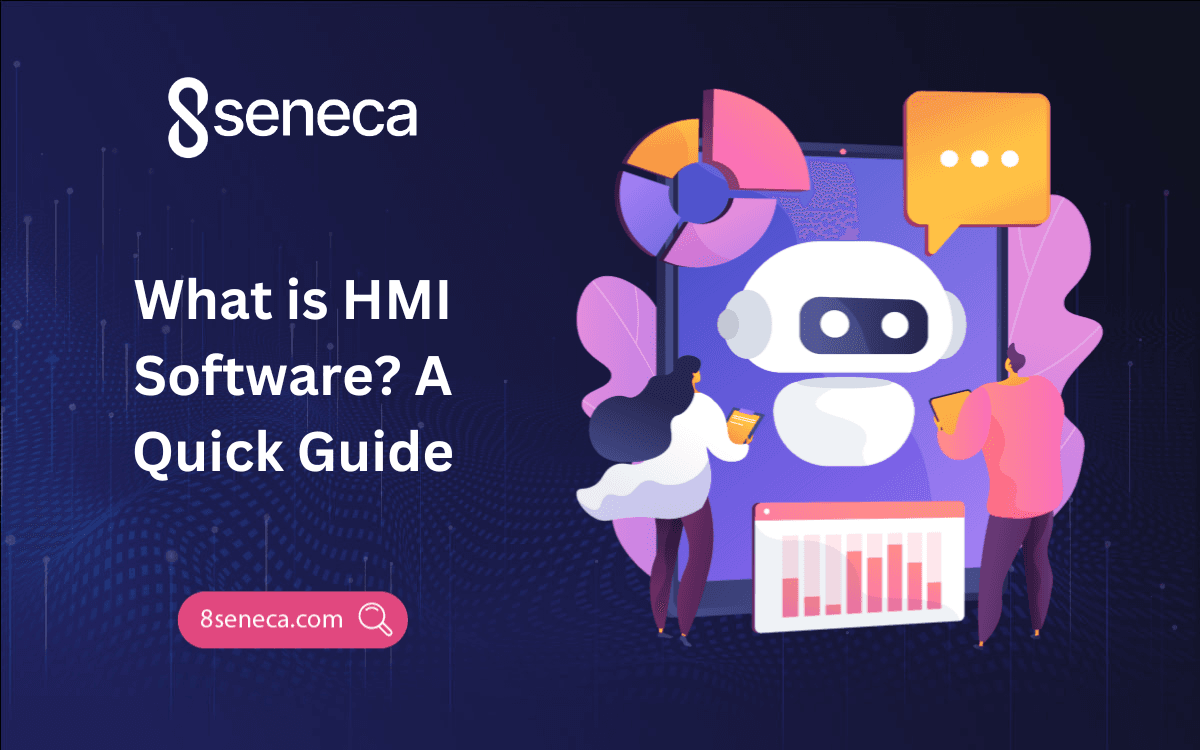
So, here’s a question: how do people and machines actually “talk” to each other in big industries like manufacturing or energy? It’s not magic—it’s something called Human-Machine Interface (HMI) software. This is the tech that makes it easy for humans to control machines, check how they’re running, and fix things when needed. Think of it like a dashboard in your car but for way bigger, more complex systems.
What Exactly Does HMI Do?
Basically, HMI is what shows you what’s going on inside a machine or system. It might look like a touchscreen, a digital display, or even just some buttons and lights. Without it, operators would have to guess what’s happening or dig through a bunch of data, which sounds… stressful.
Some cool stuff HMI can do:
- Show what’s happening in real-time: Like, is the machine running okay, or is there a problem?
- Send alerts: If something’s broken or about to go wrong, it tells you right away.
- Let you customize settings: Need more speed, less heat, or a different process? You can tweak it.
- Simplify data: Instead of raw numbers, it uses graphs or visuals so people can understand stuff faster.
Why Does This Matter?
- Saves a ton of time: Imagine trying to read a 50-page manual every time something goes wrong. HMI makes it quick and simple.
- Keeps things safe: Machines aren’t always predictable. With HMI, you get warnings before things blow up—literally or figuratively.
- Reduces costs: When you catch small problems early, you avoid huge repair bills. That’s just common sense.
- Makes decisions easier: You’ve got all the info you need on one screen, so you can make smart calls without second-guessing.
Real-Life Examples
HMI is everywhere, even if you don’t realize it:
- Factories: Operators use it to keep assembly lines and robots running smoothly.
- Power plants: It tracks things like temperature and pressure to avoid disasters.
- Smart homes: That thermostat you control from your phone? HMI at work!
- Transportation: Trains, planes, and even some cars use HMI to help with controls and monitoring.
Why Should You Care?
HMI isn’t just for engineers or tech people. It’s changing how industries work—and how people interact with machines. If you’ve ever adjusted a setting on a smart gadget or watched a progress bar on a device, you’ve already used a basic version of it.
This tech makes life easier, safer, and more efficient for people in all kinds of industries. And honestly? It’s kind of cool to see how humans and machines are working together in smarter ways every day.
So, there you have it—HMI software in a nutshell. It’s not just some fancy tool; it’s what’s making the future of tech more human-friendly.
Verwandte Artikel

Feb 03, 2026
Read more
How Claude Code Is Changing How Anthropic Builds Software
Claude Code is Anthropic’s AI coding tool, transforming how engineers work and shaping the future of AI-powered software development.

Jan 27, 2026
Read more
Why So Many See an AI Bubble Emerging
Is the AI bubble real or just hype? A clear look at why AI feels overheated, how tech bubbles form, and what history suggests comes next.

Jan 20, 2026
Read more
The Problem With AI Image Safeguards
The technical limits of AI image safeguards are becoming clear as image tools spread, revealing why abuse and misuse are so hard to stop.
Jan 13, 2026
Read more
How to Choose the Right AI Tool in 2026 (Without Wasting Money)
Not sure how to choose the right AI tool in 2026? This guide helps you avoid hype, save money, and pick tools that actually fit how you work.

Jan 06, 2026
Read more
Best AI Tools for 2026: What’s Actually Worth Using
The best AI tools for 2026 aren’t the most hyped ones. This guide cuts through the noise to highlight AI tools that actually earn their place.

Dec 30, 2025
Read more
Best Microlearning Apps for 2026: Learn New Skills in Minutes
Best microlearning apps to grow your skills quickly, fit lessons into your day, and make learning simple and effective.