
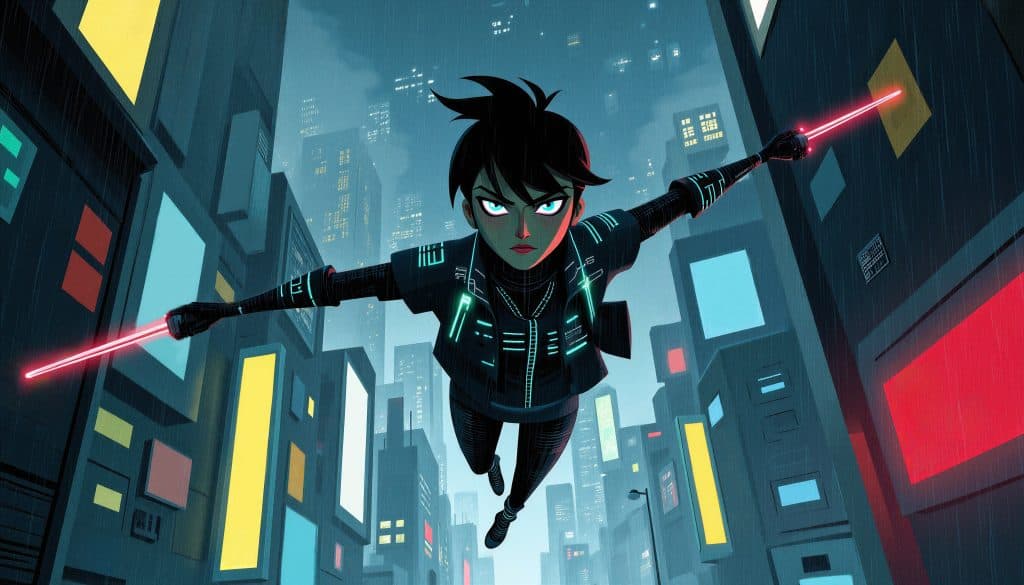
Explore the future of gaming, from AI-driven worlds to VR and cloud tech, and see how players and developers will thrive in the next decade.
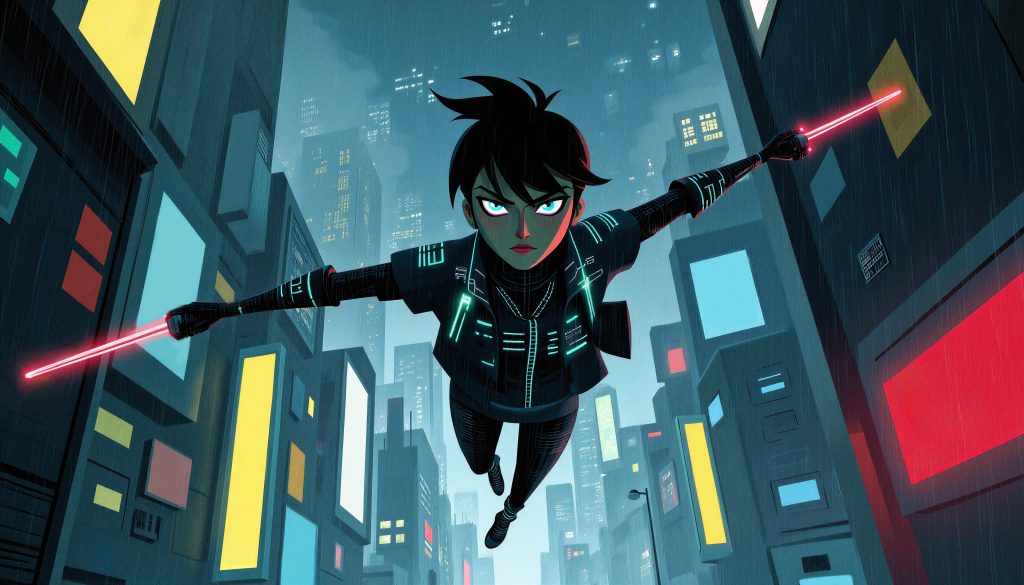
The future of gaming is no longer a distant dream. Today, the industry is evolving faster than ever, driven by technology, creativity, and the changing expectations of players. Gamers now demand experiences that feel alive, immersive, and interactive. Developers are responding with new tools, platforms, and techniques that push boundaries in ways that were unimaginable even a few years ago.
At the heart of the future of gaming is technology. Cloud gaming has begun to reshape how people access games. Players no longer need expensive consoles or high-end PCs to enjoy the latest releases. Services like cloud streaming allow users to play games instantly on a laptop, tablet, or even a smartphone. This shift reduces hardware barriers and opens up gaming to a much broader audience.
Virtual reality and augmented reality are also shaping the future of gaming. VR headsets are becoming lighter, more affordable, and more immersive. Meanwhile, AR games can overlay interactive experiences onto the real world, turning any space into a potential playground. Both technologies create new ways to tell stories, design gameplay, and engage players. Developers are experimenting with environments where actions have consequences and where the player’s choices truly matter.
Another key driver is artificial intelligence. AI is helping developers design more intelligent non-player characters, procedural content, and dynamic game worlds. This makes games feel less predictable and more alive. Imagine a world where enemies adapt to your strategies, towns change based on your actions, and stories evolve differently for every player. AI is making such experiences possible, which in turn is fueling the excitement around the future of gaming.
Social experiences are also transforming. Games are no longer just single-player journeys or casual multiplayer matches. Many of the most popular titles now combine collaboration, competition, and community. Online multiplayer games, virtual events, and live-streamed tournaments create shared moments that go beyond the game itself. Players watch, comment, and even shape events in real time. This social integration is likely to deepen, making gaming an even more communal experience.
The business side of the industry is also changing. Subscription models, in-game purchases, and cross-platform play are becoming standard. Developers can reach more players while offering flexible ways to monetize their work. This opens doors for smaller studios to compete with large publishers, fostering innovation and diversity. As a result, the future of gaming will feature not just blockbuster franchises but also indie hits that bring fresh ideas to the table.
Hardware evolution cannot be ignored. Consoles, PCs, and mobile devices continue to improve in performance, graphics, and speed. Yet, the focus is shifting from raw power to accessibility, portability, and sustainability. Devices are becoming more energy-efficient, easier to update, and capable of supporting new forms of gameplay. This aligns with broader trends in the industry and makes the future of gaming more sustainable.
Storytelling remains central to the experience. Players want narrative depth, emotional connection, and meaningful choices. Developers are experimenting with nonlinear plots, branching decisions, and interactive narratives that adapt to the player’s style. This approach turns games into personalized experiences where the story feels unique for each player. The future of gaming will likely continue to blur the lines between traditional storytelling and interactive play.
E-sports and competitive gaming are growing in parallel. Professional tournaments, streaming platforms, and sponsorship deals are creating a robust ecosystem for competitive players. The rise of e-sports has made gaming a viable career for some and has introduced entirely new audiences to the medium. As technology improves, competitions will become more engaging, accessible, and global, further shaping the future of gaming.
Finally, accessibility and inclusivity are central to the industry’s next phase. Developers are working to create games that accommodate diverse needs, from visual or motor impairments to language and cultural differences. Inclusive design not only broadens the audience but also encourages richer, more diverse experiences. The future of gaming is one where everyone can participate, explore, and enjoy.
The future of gaming is a combination of technology, creativity, and human connection. Cloud gaming, AI-driven worlds, immersive VR and AR, social integration, and inclusive design all play a role. Developers are experimenting, learning, and adapting to meet the expectations of players who want more than passive entertainment. For those watching closely, the path ahead is exciting, unpredictable, and full of opportunity.
In the coming years, games will be more immersive, smarter, socially connected, and accessible than ever. Players will shape worlds as much as developers do, creating experiences that feel personal and alive. The future of gaming is here, and it promises to redefine how we play, interact, and connect.
Enjoyed this article?
Let’s talk about how a focused outsourcing partner can move your roadmap forward.